Joy is directional, not decorative. The rise of joy-driven marketing strategy
This isn’t a trend piece. This is a call to arms.
We don’t need another mood board. We don’t need one more carousel of whispery mantras in lowercase serif. We need to stop treating joy as an afterthought and start treating it like what it truly is: a compass.
This post isn’t here to sprinkle glitter on the metrics. It’s here to draw a new map. One, where joy isn’t the confetti at the end of the funnel, but the soil from which the whole system grows.
Last week, I made the case that joy will be 2026’s most radical marketing strategy. This week, I double down: it’s the only strategy that makes sense anymore.
Joy as the original UX design
Before we had swipe-ups, funnels, or ad retargeting, we had stories. Around the fire. In the dark. With people we trusted.
Those stories weren’t optimized. They weren’t A/B tested. They carried warning in the form of wolves at the edge of the firelight. They taught survival cloaked in enchantment. They made us laugh, weep, and remember.
Joy was never futile. It was the engine of memory. The stories that lasted weren’t neutral. They delighted, provoked, and connected. Oral traditions spread across generations precisely because they weren’t dry instructions. They sparked things: a smile, a shiver, a shared glance.
What is that if not engagement?
We’ve known it all along. Joy is the original user experience.
The optimization hangover
From 2011 to 2025, we ran the numbers. We built stacks and compressed timelines. We hacked attention.
More recently, we’ve AI’d the personality out of everything. We’ve published faster, written leaner, and sold harder.
And it all worked, for a time. But when everyone optimizes, no one stands out. Or, when every brand automates delight, delight evaporates.
Our audiences feel it, and they’re clicking slower or not at all, because they’re tired and bored and seen it all before, over and over again.
People don’t need more hacks. They need a reason to come back. And not because the funnel tricked them into it, but because we built something that made them feel. Unlike burnout, joy invites, nourishes, and stays.
Rethinking the brief: from hook to lift
Picture this: You’re in a strategy meeting. You’re looking at a new campaign, and someone asks, “How do we hook them?”
Let’s pause. What if, instead, you asked: “How do we lift them?”
Not how do we interrupt them. Not how do we manufacture scarcity. But: How do we leave them better? Instead of “Last chance”, try: “Come in when you’re ready”.
What if your landing page played? What if your newsletter offered a permission slip? What if your copy gave the reader some actual CPR without them even noticing but leaving them breathing more easily than before?
That’s joy at the root. It’s the reason someone wants to engage, again.

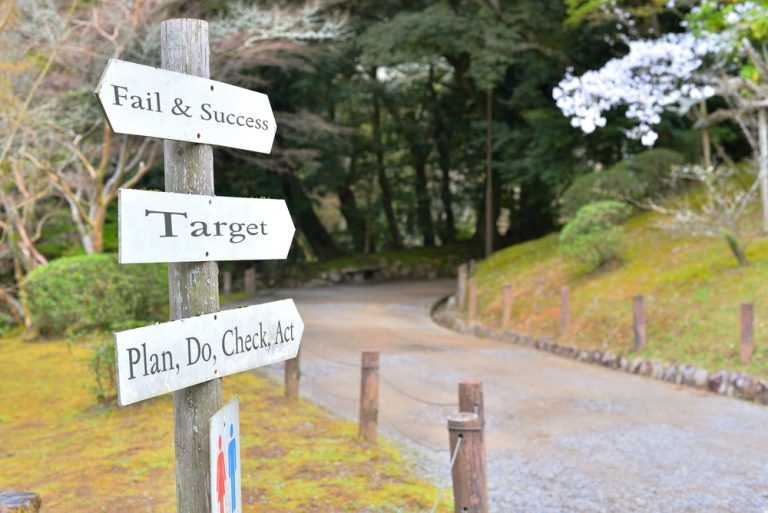
Joy as compass
Imagine you’re about to launch something big. A new course. A new product. A campaign. A new chapter in your brand story. You’ve got three strategic options on the table:
- The Fear Compass. Tell them what they’ll lose if they don’t act.
- The Urgency Compass. Countdown timers, scarcity, all gas and no brake.
- The Joy Compass. Tell a story that gives them energy, not anxiety.
Which one do you want guiding your people through the storm? Which one do you want to be known for?
Let’s be clear: joy isn’t soft. It’s not spineless. It doesn’t mean avoiding depth or complexity.
Joy is rigorous. Joy takes craft. Joy takes care.
It’s easier to scare someone into clicking than it is to make them feel like clicking, but the brands that choose joy are building longer roads. Strategy is only sterile if you design it that way. The best strategy leaves the room (or the road!) lighter.
Choose joy in the design process
Don’t add joy at the end. Begin with it.
That is, don’t ask your copywriter to “make it more joyful” once the draft is in. Ask the team: “What would this project look like if the audience, not the brand, were the brief?” Before tone. Or tagline. Or timeline.
Start with joy and build outwards. What would your landing page look like, if it smiled before it sold? Or that Instagram caption, if it winked instead of warned?
What if your workshop title promised curiosity instead of outcomes?
We’re not making things “nice”. We’re making them necessary.
The strategic imperative of joy
Joy isn’t about sounding cheerful, but about leading differently. Joy is not a pastel filter or a quirky sign-off. Joy is not even your brand’s weekend vibe.
Joy is direction. And in a world fraying at the edges, the brands that choose to lift instead of lean harder, are the ones we’ll remember and return to.
So, the next time someone asks what strategy you’re betting on in 2026, say it clear and out loud: Joy.
Missed part I? Read The 2026 marketing trend no one saw coming: Joy as strategy.